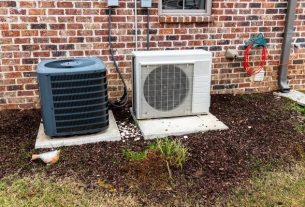
Mini split systems have become increasingly popular for their efficiency and ease of installation, but like any HVAC equipment, they can encounter problems. Understanding common mini split issues and knowing how to address them can save time and prevent costly repairs. One frequent problem is inadequate cooling or heating performance. This often results from dirty air filters or blocked outdoor units that restrict airflow. Regularly cleaning or replacing filters and ensuring the outdoor condenser unit is free from debris such as leaves, dirt, and snow can restore proper function. Another cause of poor temperature control may be refrigerant leaks, which require professional inspection since handling refrigerants demands specialized skills and tools.
Another issue users might face is the Mini Split system not turning on or responding to the remote control. First, check if the unit is properly plugged in and that circuit breakers are not tripped. Sometimes batteries in the remote need replacement or there may be interference preventing signal transmission to the indoor unit’s receiver. Resetting both indoor and outdoor units by turning off power for a few minutes before restarting can also resolve electronic glitches affecting operation.
Ice buildup on either the indoor evaporator coil or outdoor condenser coil represents another common concern with mini splits during cold weather conditions or when airflow is obstructed. Ice formation usually indicates a problem with airflow caused by dirty filters, blocked vents, low refrigerant levels, or malfunctioning fans within either section of the system. Defrost cycles should clear ice naturally; however, if ice persists consistently it’s best to consult an HVAC technician who can diagnose deeper mechanical faults.
Strange noises coming from a mini split system may suggest loose parts inside the fan motors or compressor issues needing immediate attention to avoid further damage. Additionally, water leakage around indoor units commonly occurs due to clogged drainage pipes where condensate accumulates but cannot drain properly outside. Ensuring these drain lines remain clean prevents water damage inside homes.
Electrical problems such as frequent tripping breakers could indicate wiring faults requiring expert evaluation rather than DIY fixes because improper handling risks personal injury and equipment damage.
In summary, regular maintenance including filter cleaning, inspecting coils for ice accumulation, checking remote controls’ functionality alongside visual inspections of outdoor units helps minimize most typical mini split problems before they escalate into major failures demanding costly repairs or replacements. For complex tasks involving refrigerant handling or electrical troubleshooting always seek qualified professionals experienced in HVAC systems to ensure safe effective resolution of issues while preserving warranty coverage where applicable.