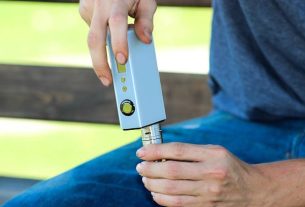

Nurse call equipment plays a vital role in enhancing communication and efficiency within clinical workspaces. These systems are designed to facilitate immediate and clear communication between patients and healthcare staff, ensuring timely responses to patient needs and improving overall care quality. In busy clinical environments, the ability to quickly alert nurses or other medical personnel can significantly impact patient safety and satisfaction.
Modern nurse call equipment encompasses a variety of devices, including bedside call buttons, wireless pagers, intercom systems, and advanced monitoring solutions. These tools are integrated into clinical workflows to streamline communication, reduce response times, and support the coordination of healthcare teams. For instance, bedside call buttons allow patients to alert nurses directly from their rooms, while wireless pagers enable nurses to receive notifications on the move, promoting faster intervention.
In addition to basic call functionality, many nurse call systems now feature customizable alerts and integration with electronic health records (EHR). This integration permits staff to access patient information instantly when a call is made, allowing for more informed and efficient care decisions. Moreover, some advanced systems include analytics capabilities that help healthcare administrators monitor response times and identify areas for improvement in patient care delivery.
The design and installation of nurse call equipment must consider the specific needs of different clinical settings. For example, intensive care units (ICUs) require highly reliable and responsive systems due to the critical condition of patients, while long-term care facilities might prioritize ease of use for elderly patients. Equipment must also comply with healthcare regulations and standards to ensure safety and privacy.
Maintenance and regular testing of nurse call systems are essential to guarantee their functionality at all times. Faulty or unresponsive equipment can lead to delays in care and compromise patient safety. Healthcare facilities often partner with specialized service providers to manage installation, maintenance, and upgrades, ensuring that the nurse call systems remain effective and up-to-date.
Investing in high-quality nurse call equipment benefits both patients and healthcare providers. Patients gain confidence knowing that assistance is readily available, while nurses can manage their workload more efficiently. The result is a safer, more responsive clinical environment that supports better health outcomes and enhances patient satisfaction.